
How Can We Help You?
Find answers to the most commonly asked questions about visiting Pedro St. James.
No, unfortunately for the safety of all our patrons, dogs are not allowed on the property.
Not at this time. However, the Visitors Centre, Courtyard and Theatre are all wheelchair accessible.
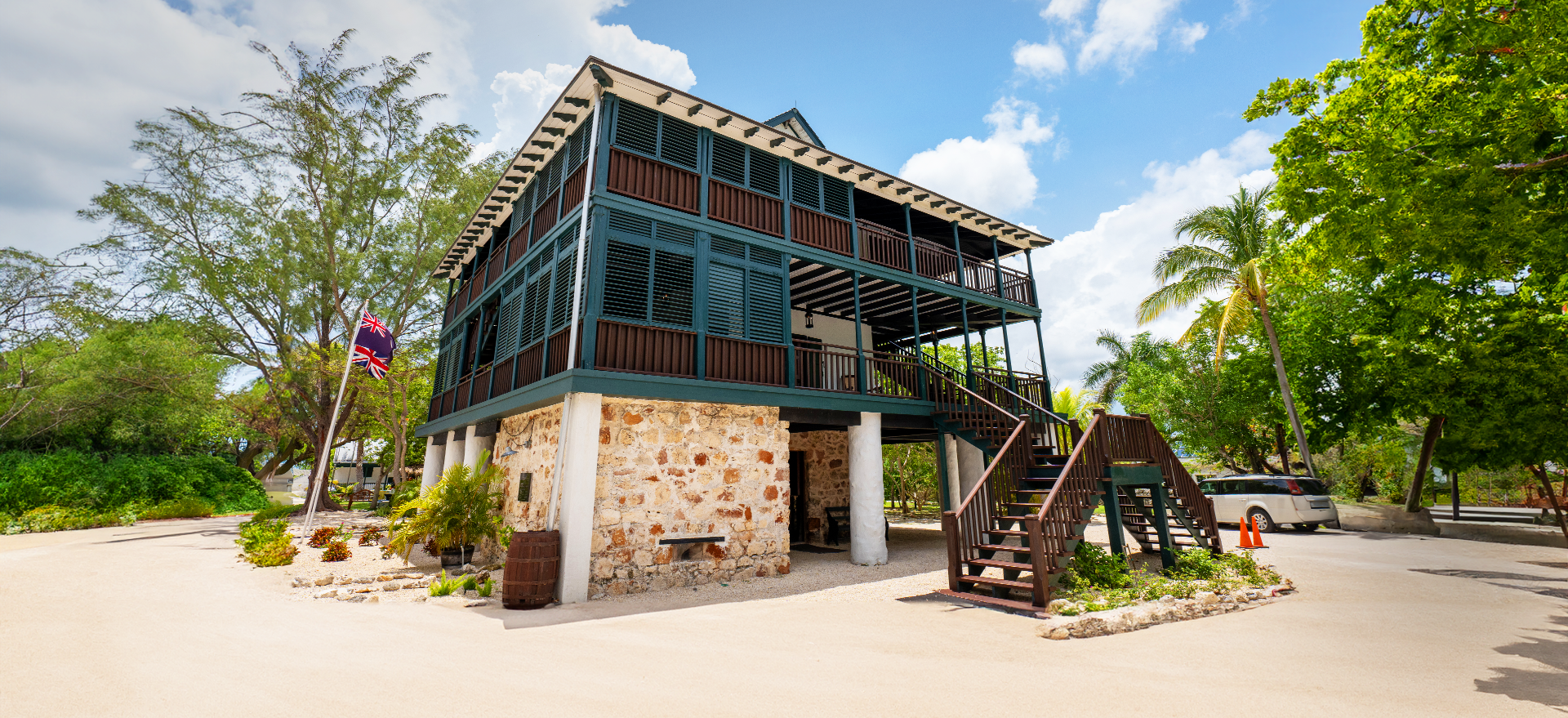
When Tom Hubbell purchased the property in the 1960s, he removed the stone gable supports. He replaced them with large stone blocks creating battlements (parapets) which gave the house the look of a castle, it was due to this architectural change that the old home became known as “Pedro Castle” or the “Old castle at Pedro”.
Pineapple and cotton were the main crops however, on most plantation grounds of that time, it was typical to find sugar cane, calabash, plantain, banana, and starchy root crops such as cassava, yam, and sweet potato.
The Cayman Islands Government purchased the property in 1991 from the Hubbell Estate and completed reconstruction of the Great House in 1996.
Pedro is not actually a person; the name Pedro comes from the home’s location at Great Pedro Point. Pedro Point is a 4.5-mile (approx.) area of coastline stretching from the Spotts Newlands area to the Northward area of Bodden Town.
The home has had a few names; at the time of its construction, it was known as the St. James House ; during its heyday as a hotel and restaurant in the 1960s, it was known as Pedro’s Castle . It was after its restoration in the mid-1990s, that it became widely known as Pedro St. James
The Great House was built in 1780 and is more than 240 years old.